
Imagine a gym just before a team’s first season. Eight kids struggle to run a simple scrimmage. This was Coach Aaron Thompson’s challenge at Evansville Christian.
His strategy was simple: Fundamentals. Growth Mindset. Culture. We often use these words but lack a real plan.
Think about teaching math to kids. You start with counting, not calculus. Yet, in sports, we jump to complex plays without basic skills.
Winning teams focus on the basics, not fancy strategies. These core principles are the foundation of success.
A student-centered approach is key. Programs that focus on essential skills see real progress.
Let’s forget about winning trophies for now. Are you building on solid ground or shifting sand?
Player Motivation
Motivation in youth sports is not something you turn on like a light. It’s a complex system you build up. If you get it right, athletes will work hard and stay dedicated. But if you fail, it’s like trying to manage a group of wild animals.
Coach Thompson’s wall was not just any wall. It was made of 16-year-olds with fixed mindsets and parents holding onto the idea of their child’s last year in 8th grade. This is not just resistance. It’s like trying to explain TikTok to someone who uses a flip phone.
The main problem is mixing up compliance with motivation. A kid doing drills because Dad is watching is just following rules. But a kid doing drills because they want to get better? That’s real motivation.
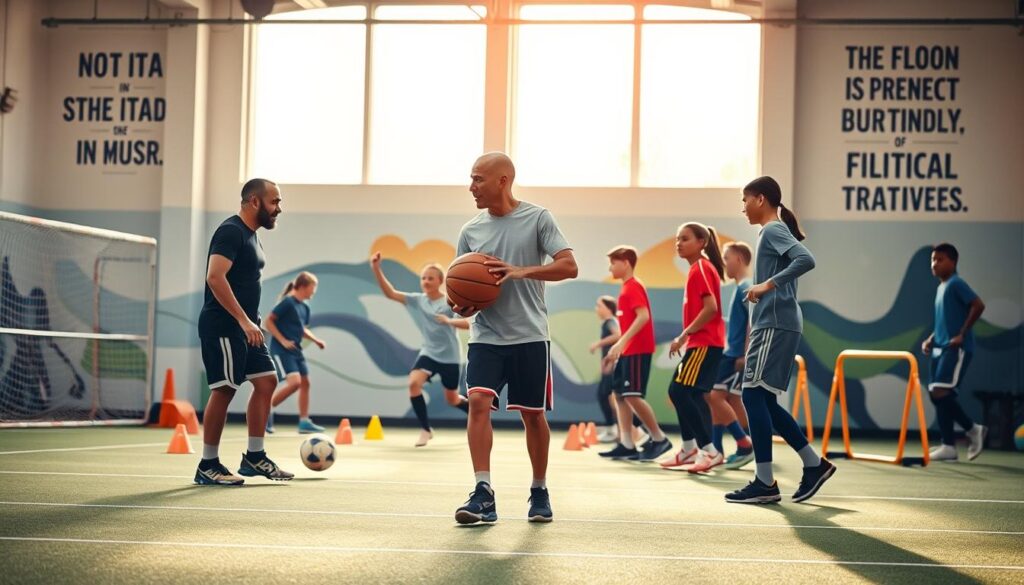
We often see sports as either fun or serious. It’s seen as a choice between being the fun team or the strict team. But this is a false choice. It’s hurting player development in the long run.
The magic happens when hard work feels rewarding. Imagine a video game where the fun is in improving your character, not just winning. This is what we should aim for in sports.
To achieve this, we need to change how we motivate athletes. We should focus on the process, not just the outcome.
- Outcome-Based: Motivation comes from winning, getting scholarships, or social media likes. But these things can fade.
- Process-Based: Motivation comes from improving skills, mastering new moves, or seeing progress. This is lasting and within the athlete’s control.
To make drills fun, it’s not just about the music. It’s about the story behind the drill. “Today, we’re not just doing layups. We’re building the footwork foundation that will let you finish through contact when the game is on the line.” This makes the task meaningful.
Finding joy in challenges is key. It’s the satisfaction of a good play or the bond formed during tough practices. The “fun” is in the player development itself. As one insightful piece on motivating youth athletes points out, we need a variety of approaches, not just yelling “hustle” louder.
Parents who only care about winning are stuck in the outcome trap. Our job is to show them that losing is a chance to learn and grow. A loss is not the end. It’s a chance to improve.
Are we motivating for the season or for a lifetime? The season ends, but a love for growth and improvement lasts forever. That’s the real victory in player development.
Skills versus Strategy
Imagine two coaches starting practice. One has a detailed plan on a whiteboard. The other focuses on basic skills with basketballs. This shows a big difference in how they coach.
Experts say focusing on basic skills is best for young players. They believe complex strategies are too much for them. It’s like trying to teach Shakespeare without teaching the alphabet first.
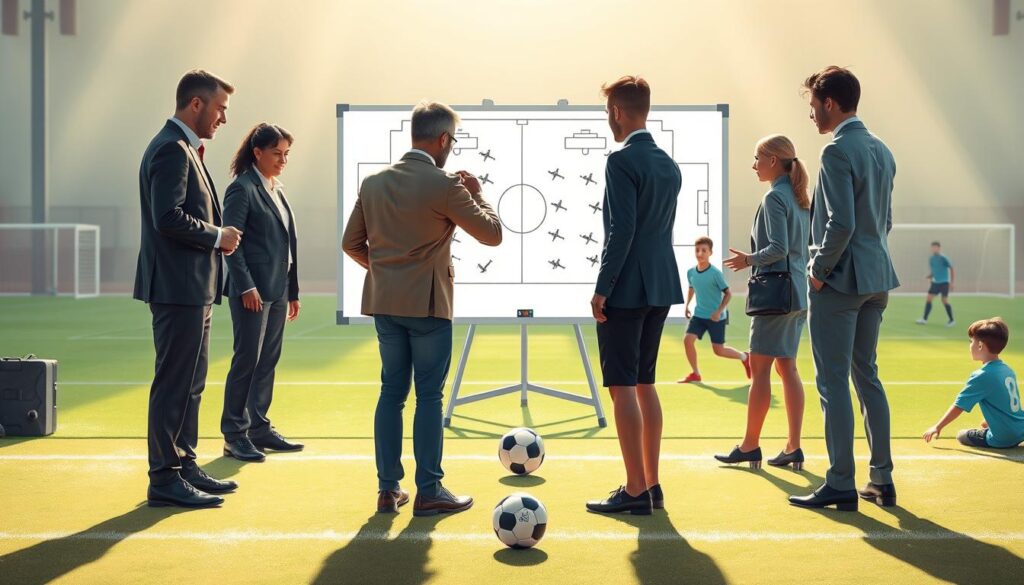
John Thompson chose to focus on fundamentals with his team. They didn’t have a star player or good basketball knowledge. He worked hard on basic skills. This approach is key, not just a simple choice.
Players with basic skills can handle many situations on the court. They can solve problems, not just follow a set plan. Knowing how to move and shoot gives them more freedom.
Too much focus on complex strategies can be a waste. It’s about the coach’s pride, not the player’s growth. It’s like trying to write code without understanding the basics.
Good coaching starts with the basics. It’s about teaching dribbling before complex plays. It’s about making sure players can pass and shoot before learning a full offense. For more on this, check out this analysis on skills versus strategy.
Think of it this way:
- The Strategist sees the game as chess, moving pieces to outthink the opponent.
- The Skills Coach sees the game as jazz, giving musicians the scales and rhythm so they can improvise beautifully under pressure.
The former has a plan. The latter builds players who can create new ones when the plan fails. The best strategy is simple and executed well.
Strategy is important, but not at the start. Understanding tournament game strategy is key later on. But first, build a strong foundation in coaching basics.
Before adding a new strategy, ask yourself: Are you teaching a script or giving tools to create? Your answer will shape your coaching legacy.
Success Stories from Top Coaches
Coach Thompson’s journey at Evansville Christian is like a movie script. It starts with a tough 1-16 debut season. Then, it moves to a 12-12 record, a conference win, and a state finals appearance. The key? No magic tricks. Just a solid plan for growing players.
The early season’s five close losses weren’t failures. They were valuable lessons. The system was working, even if the scoreboard didn’t show it right away. Real growth in sports isn’t just about winning in February. It’s about the hard work in October and the determination in January.
The team grew, and more coaches joined. A junior varsity team was added. This growth shows the power of a strong team culture. Every win proved the team’s values were taking hold. For coaches who doubt the hard work, this story is proof. Success comes from sticking to your values every day.