
When you’re ahead by just one goal in the last minutes, you face a tough choice. Do you play it safe and defend, or try to keep the game in your control? The “parking the bus” strategy is all about defense, needing top discipline and perfect positioning. It’s about controlling space, not chasing the ball.
Game management is more than just defense. It’s about making smart choices based on the game’s state. Teams use a “risk ladder” to decide how to play, considering the clock, score, and opponent’s moves. They switch between pressing high and dropping back, keeping the game exciting while managing risks.
Coaches like José Mourinho have made a name for themselves with this approach. Their teams protect their lead through constant communication and sharp awareness. It’s a game of strategy, not just defense. Success comes from knowing when to hold onto the ball and when to move.
This way of game management is all about making smart changes during the game. The best teams adjust their play based on the game’s flow, making small but precise changes. They don’t just defend; they play smartly until the end.
Learn more about making smart tactical adjustments in your game.
Compactness + Counter Threat
To protect a narrow lead, teams must create a strong defense and a quick counterattack. This balance is key in modern soccer. The goal is not just to survive but to control the game’s end through smart risk balance.
Defensive compactness means squeezing the space opponents can use. Players move together, making a tight unit. Perfect spacing is key, creating a wall hard to break. They stay close, blocking passes and stopping box penetration.
But, if a team only defends, it faces constant pressure. Without a counterattack, the defense gets tired and makes mistakes. This is why a counter threat is so important. It makes opponents hesitate and creates mental pressure.
Finding the right risk balance is the main challenge. Too many players forward leaves gaps. Too many back, and you lose all initiative. The goal is a structured block that absorbs pressure and attacks quickly.
Creating a counter threat needs careful planning. Coaches place quick, technical players in advanced positions. These players must sprint into space when the ball is won. The transition from defense to attack must be fast, often in three passes or less.
Atlético Madrid under Diego Simeone is a great example. They defend tightly in a 4-4-2 formation. When they get the ball, players like Antoine Griezmann quickly attack the defense. This constant threat makes opponents think twice about pushing forward.
It’s important to know the difference between just defending and a balanced approach. Here are the main differences:
| Tactical Approach | Defensive Shape | Primary Intent | Inherent Risk |
|---|---|---|---|
| Park the Bus | Extremely deep, all 11 behind ball | Pure survival, block everything | High pressure, no escape valve |
| Compact + Counter | Mid-block, structured lines | Absorb pressure, then exploit space | Requires precise risk balance |
| High Press | Pushing up, aggressive | Win ball high, prevent buildup | Vulnerable to long balls behind |
Training for this balance involves specific drills. Spacing exercises help players move as one unit. Counter-pressing drills teach winning the ball back quickly, perfect for a counterattack. These drills build the needed muscle memory for tense game moments.
Protecting a lead is a complex puzzle. The solution is in combining strong defense with quick offense. By mastering compactness and a counter threat, teams can control the game’s end.
Foul Zones & Set-Piece Avoidance
A single clumsy tackle in the wrong area can undo 80 minutes of disciplined defending. It turns a secure lead into a dangerous free-kick situation for the opponent. Winning late means managing risk, and the biggest risks are often self-inflicted.
Foul zones are specific areas on the pitch where giving away a free kick is very costly. The most dangerous zone is just outside the penalty area, central to the goal. Wide areas near the corner of the 18-yard box are also high-risk. A free kick from here is a direct shot on goal or a perfect cross into the mixer.
Smart teams map these zones in their defensive strategy. The goal is not to never tackle, but to tackle with extreme intelligence. Disciplined body positioning and using a cover defender are better than a desperate lunge.
| Area | Risk Level | Recommended Player Action |
|---|---|---|
| Central, 18-25 yards from goal | Extremely High | Stand up, contain, force wide; avoid diving in. |
| Wing, corner of penalty area | High | Shepherd attacker toward touchline; use cover. |
| Central midfield | Moderate | Contest but prioritize positioning over ball. |
| Wide, near halfway line | Low | Foul to stop a break if necessary. |
Set-piece avoidance is the other half of this equation. Defending a corner or free kick well is only the first job. The real opportunity comes in the seconds after you clear the ball.
This is the moment for a rest attack. A rest attack is a quick counter launched immediately after defending a set-piece. The opposing team is often disorganized. Their defenders are just turning, and their set-piece takers are out of position.
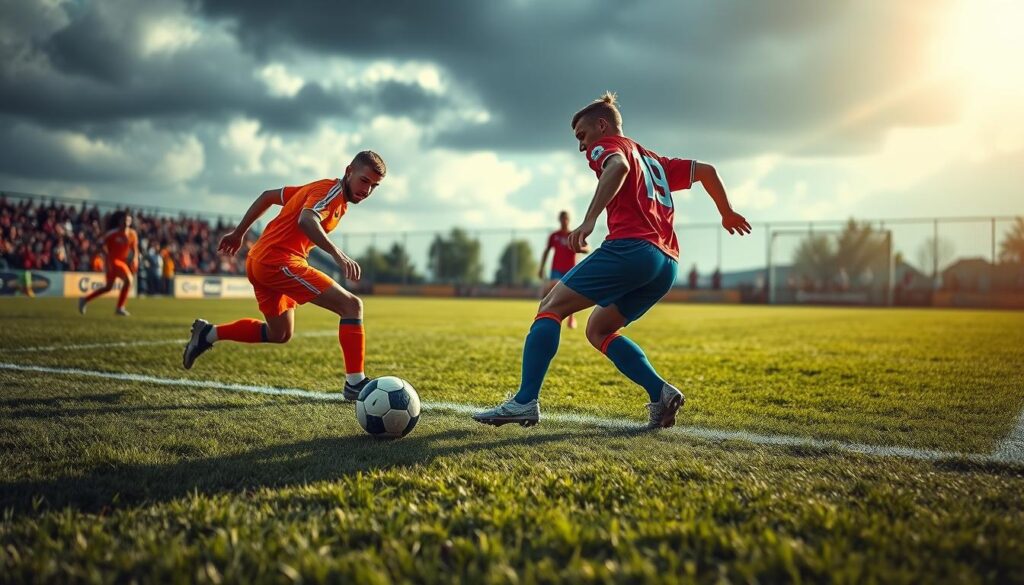
Teams like Liverpool under Jürgen Klopp mastered this. They would defend a corner with everyone back. The moment the ball was cleared, two or three pacey players would sprint forward. A long, targeted pass would spring the rest attack, turning defense into a sudden scoring chance.
This tactic does two things. First, it can create a clear goal opportunity to seal the game. Second, and just as important, it forces the opponent to be cautious. They think twice about committing players forward for a set-piece if they know a devastating counter is coming.
Managing foul zones and executing rest attacks require perfect communication. Every player must know when to hold and when to explode forward. This disciplined approach protects your lead while keeping a genuine threat alive.
Sub Types to Kill Press Resistance
To beat press resistance, teams need special tactics. These tactics are a smart way to manage the game. They turn defense into a chance to control the ball.
When you’re leading, the other team will press hard. Your goal is not just to pass the ball. It’s to break their press and keep it. This way, you control the game’s pace and wear them down.
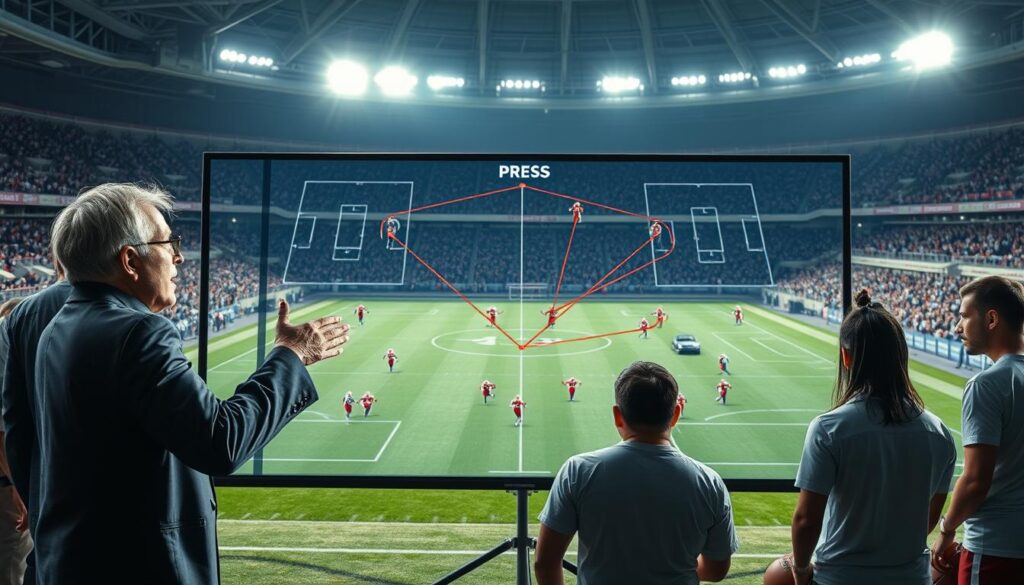
The first tactic is to build from the back with a numerical overload. Using three center-backs against two forwards is common. This extra player makes passing safer. Goalkeepers also play like extra outfielders.
Manchester City uses this under Pep Guardiola. Their defenders and Rodri, the holding midfielder, form triangles. This makes it hard for opponents to get the ball in City’s half.
Midfield rotations are also key. Players who stay in one spot are easy to mark. But, smart movement opens up passing paths. Players switch positions to confuse markers.
For example, a midfielder might drop deep. A full-back moves inside. This makes the opponent move out of position. Now, a pass can break the line.
The third tactic is the targeted long ball. It’s not just a long pass. It’s a precise pass into a specific area. A quick striker or winger is the target.
This move skips the press altogether. It forces the opponent to turn and chase. Successful long passes lead to rest attacks. These are moments where your team can push forward while the opponent is disorganized.
Learning these tactics is top-level game management. It lets a leading team control the game. The opponent gets tired chasing, while your team saves energy and keeps the momentum.
Rodri at City shows this skill. He takes the ball under pressure, uses his body, and finds the open player. His ability is why he’s among the best in his role.
By using these tactics, you move from just defending to smartly controlling the game’s end.
Corner/Throw‑In Delay Within Laws
Effective game management is about using rules to your advantage. Corners and throw-ins are great for slowing the game. You aim to lose seconds and disrupt the other team’s attack.
Small actions can make a big difference. A player can take their time to get the ball for a throw-in. This lets teammates reorganize, drink water, or get new instructions. It stops the other team from gaining quick momentum.
For corners, a well-organized routine is essential. The taker should wait for everyone to get into place. A signal system between the kicker and targets can add extra time. The goal is to look prepared, not just waiting.
But, there’s a risk balance involved. While delaying, you must stay alert defensively. A disorganized team is an easy target. Keeping defensive shape and alertness is key while delaying.
| Delay Tactic | Intended Benefit | Associated Risk if Unbalanced |
|---|---|---|
| Slow Ball Retrieval | Burns 10-20 seconds, allows team breath. | Defenders lose focus, fail to mark up quickly. |
| Strategic Player Rotation | Brings fresh legs into key defensive spots. | Creates confusion in zonal marking assignments. |
| Deliberate Set-Piece Setup | Disrupts opponent’s emotional urgency. | Attackers gain time to create clever runs. |
| Kicker Taking Extra Time | Tests referee’s patience within legal limits. | May lead to a yellow card for time-wasting. |
As the table shows, each delay tactic has a risk. The risk balance is about reducing that risk through practice and communication. Your team must delay as one, aware unit, not as scattered individuals.
Top clubs like Juventus have mastered this. Watch their players before a defensive corner. They often take extra seconds to position themselves, seemingly checking assignments. This subtle delay manages the game flow while keeping their defensive block intact. The referee sees organized preparation, not obstruction.
Mastering this risk balance turns time management into a strategic weapon. You kill momentum legally, protect your lead, and avoid costly set-piece concessions. It’s the smart way to close out a game.
Sample 10‑Minute Lockdown Plan
A good plan ties everything together. Start by moving into a tight shape, like a 5-4-1. This shape helps protect the center.
Make sure everyone knows their new role. Watch how the opponent reacts as your team gets into position.
Use a simple risk ladder for making decisions. Players should choose safe passes over risky moves in your half. Always avoid fouls near your penalty area.
Put your best players in to hold the ball. Smart substitutions can bring in fresh energy for this task. Aim to keep the ball and run down the clock legally.
Have a plan for a quick counterattack. Use your fastest winger and striker when the opponent gets too aggressive. This attack can change the game.
This quick attack does two things. It rewards an aggressive opponent and makes them think twice. Your team gets ahead without just defending.