
Let’s be honest. The phrase “post-game review” often makes us think of a stern coach and a whiteboard full of mistakes. It smells like defeat and old sports drinks. But what if we changed that?
What if the review session was the most critical strategic meeting of your week?
In the world of college sports, GPS data shows something interesting. The hard work done on Tuesday can sometimes be more intense than the game on Saturday. Your toughest battles aren’t always on the field. They’re in the daily grind.
The data from hard runs, film room insights, and tough tournament moments is valuable. The tournament debriefing turns it into a story. It’s where smart strategies are made.
This is where game theory meets the film room. It’s not about blaming anyone. It’s about asking wise questions. Where did we do well, and where did we go wrong? This post-tournament reflection is key to your next success.
Let’s learn how to make these sessions useful, not just a place to point fingers. They should be a chance to gain insight, not just criticize.
Involving Players in Reflection
Reflection in sports is more powerful when it’s a team effort. Imagine every player sharing their insights after a game. It’s not just about data; it’s about real experiences.
Coaches have their tools, but the best feedback loops come from players. They go from being reviewed to being reviewers. This turns a one-way conversation into a dialogue.
Mike McCann’s “one fail, all fail” policy might seem harsh. But it teaches teamwork. When everyone feels responsible, they start to talk and support each other. This creates a strong feedback loop.
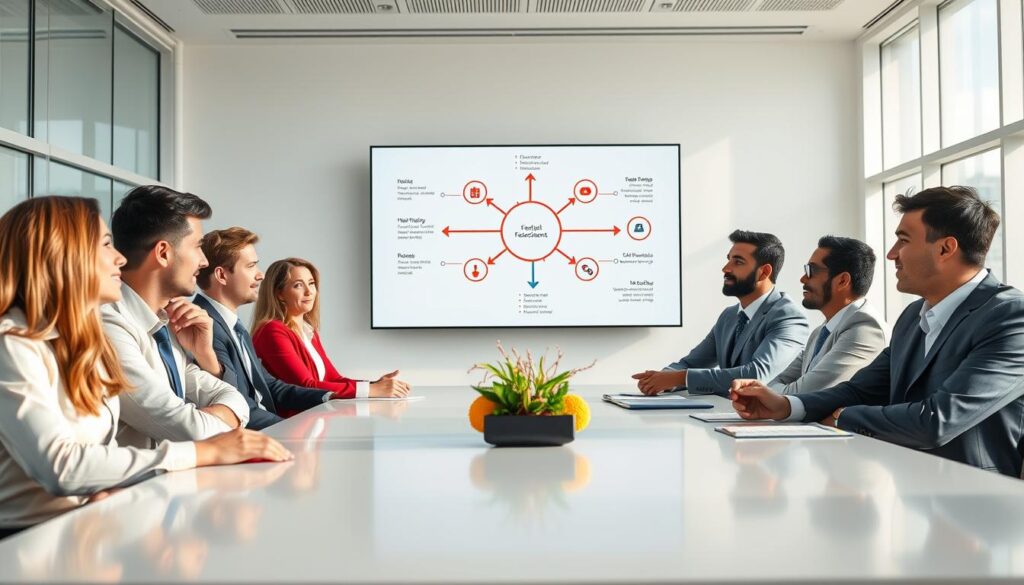
To make this work, ask different questions. Instead of “What did you do wrong?”, ask “What did you feel during that drive?” or “How did you motivate your teammate when tired?” This adds a personal touch to the data.
Sharing personal stories makes reflection meaningful. It turns it from a chore to a core part of your team’s culture. It’s where analysis meets real-life experiences.
| Aspect | Traditional Review | Player-Involved Reflection |
|---|---|---|
| Source of Insight | Coach’s observation and data | Player experience, emotion, and tactical recall |
| Team Dynamic | Hierarchical; passive reception | Collaborative; active co-creation |
| Primary Outcome | Correcting mistakes | Building accountability and shared understanding |
| Player Buy-in | Often low; perceived as criticism | High; feels like ownership and problem-solving |
| Long-term Effect | Compliance | Resilient, self-correcting team culture |
This change doesn’t lead to chaos. It creates a new kind of structure. Musicians use a structured review process to improve faster. The idea is the same for sports teams.
By involving players in reflection, you close the feedback loop. It ensures feedback is not just given but also received and understood. This builds a team that truly communicates with each other.
Turning Feedback Into Improvement
Most systems fail here. You have a great diagnosis but a poor plan. Turning feedback into growth is key. It’s about closing feedback loops with precision.
Imagine using last week’s GPS data to plan training. Your tournament debriefing showed you made slower decisions under pressure. The plan isn’t just to try harder. It’s to practice in high-stakes situations on Wednesday.
Improvement is a cycle of learning and trying again. It’s about teaching athletes to focus on their next move. The goal is to make this automatic. This way, every game becomes a chance to grow.
When this works, your team evolves. It’s no longer just playing games.