
Match tempo is the skill to control the speed and rhythm of a game. It gives you a big edge in competition.
True mastery isn’t just about playing fast or slow. It’s about changing the pace to disrupt opponents and keep your team stable.
Athletes Untapped says, “the team that dictates the speed and rhythm of the game is the team that usually wins.” This shows the key to success.
This article will teach you how to control the game’s flow. You’ll learn to diagnose and change the pace. You’ll also train for these intense moments.
Controlling momentum shifts is key in big games. It turns reaction into action.
Diagnostic Cues for Tempo (passes/min, PPDA, body language)
Figuring out the tempo of a match isn’t a mystery. It’s about paying attention to both numbers and body language. Knowing if the game’s rhythm is helping or hurting you is key. Making the right call depends on getting it right.
First, look at the numbers. Passes per minute is simple. A lot of passes mean the game is fast. Fewer passes suggest a slower pace.
PPDA (Passes Per Defensive Action) is another important number. It shows how many passes the opponent makes before your team defends. A low number means your team is pushing hard. A high number means they’re playing more defensively, slowing the game.
But the real story is in the players’ body language. Are they moving with purpose or rushing? Seeing a team’s panic is a clear sign of a momentum shift going wrong.
On the other hand, slow movements and reactions show a team has lost its spark. This means the game has slowed down. Paying attention to these signs is as important as looking at the numbers.
Being good at these diagnostics lets you make smart decisions. You’re not just reacting; you’re planning ahead. Knowing when to speed up or slow down is easier with the right data and insight. Your decisions will be based on solid information, thanks to understanding both numbers and body language.
Tools to Slow the Game and Regain Control
When an opponent’s attack speeds up too much, smart teams use special tactics to slow it down. These tactics are key to controlling the game. They help your team stay stable, use up the opponent’s energy, and change the game’s momentum in your favor.
These tools are not just about defending. They are active steps to disrupt the opponent’s flow and change the game to your advantage.
Organizing a Rest Defense
“Rest defense” means setting up your team in a defensive shape right after losing the ball. It’s not always about getting the ball back fast. Instead, you make the opponent pass laterally or backward.
This takes up valuable seconds and makes them use more energy. A well-organized rest defense acts like a speed bump, slowing down the opponent’s attack.

When your attack fails, it’s tempting to try a risky pass. But the smarter move is to recycle the ball. This means passing it safely back to your defenders or goalkeeper.
Recycling the ball is a pause. It lets your team catch its breath, reorganize, and wait for better chances. This method of game state control stops the opponent’s momentum and helps your team regain composure.
Strategic Fouls and Stoppages
At times, a legal tactical foul can stop a dangerous counter-attack. A foul in the midfield can disrupt the opponent’s rhythm and give your team a chance to regroup.
Even legal stoppages, like taking extra time on a throw-in, can be useful. These pauses interrupt the opponent’s flow. A volleyball drill teaches servers to slow down after losing a point, showing the value of slowing the game.
Knowing when to use a tactical foul and when it’s a cardable offense is key for game control. This knowledge helps players make better decisions under pressure.
Each tool has its own purpose but aims to control the game’s pace when needed.
| Tool | Primary Purpose | Key Actions | Effect on Momentum |
|---|---|---|---|
| Rest Defense | Force opponent into longer build-ups | Compact shape, channel play wide, delay pressing triggers | Drains opponent’s attacking energy, slows their transition |
| Recycle Possession | Regain team composure and structure | Safe back-passes, switching play, goalkeeper involvement | Halts opponent’s defensive momentum, resets your attack |
| Strategic Fouls/Stoppages | Break opponent’s immediate rhythm | Professional fouls, time-consuming restarts, player “injuries” | Creates a hard stop, allows for defensive reorganization |
Choosing the right tool depends on the game situation. Is the opponent on a fast break? A rest defense or tactical foul might be best. Is your team panicking in possession? A calm recycle is the answer.
Using these methods makes your team proactive. You’re no longer controlled by the game’s flow. You become the one directing the momentum shifts, slowing down to set up your own success.
Tools to Speed (Quick Restarts, Vertical Runs)
Quick restarts and direct vertical runs are key to shifting gears and attacking fast. These tools help your team take control and overwhelm the defense. They create a fast-paced rhythm that opponents find hard to keep up with.
Quick restarts mean putting the ball back in play right after a stop. Think of a free kick before the wall is set or a throw-in while defenders are turning. In volleyball, it’s serving immediately after the whistle. This tactic takes advantage of the other team’s disorganization.
To execute quick restarts, players need clear signals and quick awareness. They must know their roles without delay. The goal is to turn a dead-ball situation into a live advantage, controlling the game’s pace.
The vertical run is another tool. It’s a direct attack that skips the midfield buildup. Instead of safe passes, a player makes a deep run behind the defense. This shortens the time the opponent has to react.
This idea comes from elite volleyball. Hitters must sprint off the net at top speed after a play. The “Transition & Tempo Drill” focuses on this skill—sprinting to start the next attack before the block can set up. In soccer or basketball, the same principle applies: move vertically to shorten the game clock.
Using quick restarts and vertical runs together creates a strong, controlling rhythm. One makes the defense scramble from a stand. The other attacks their depth before they can recover. Together, they build a sustained high-pressure attack, taking control of the game.
These tools require fitness and clear communication. Players need stamina for explosive runs and vision to spot restart chances. When done well, your team’s rhythm becomes urgent and commanding, keeping the other side on the back foot.
Training Games for Tempo Changes
Controlling a game’s rhythm is a skill that can be learned. It requires specific drills to recognize cues and change pace quickly.
These games help players feel the flow of play. They also teach them to make smart decisions to change the game’s direction.
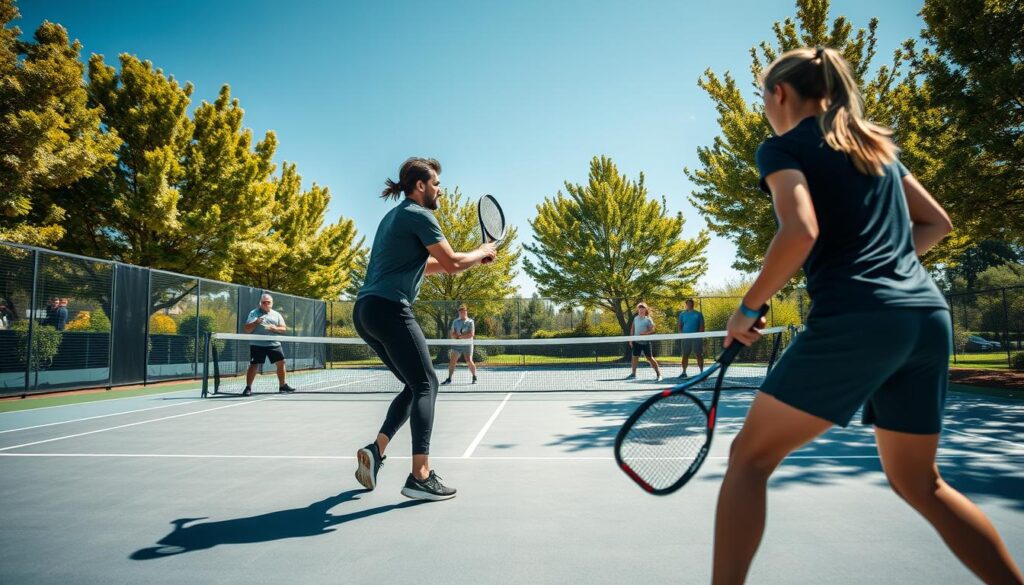
Effective tempo training focuses on specific situations. It aims to make controlling the game’s speed automatic. Here are four key drills to improve this skill.
| Drill Name | Primary Focus | Key Rule | Tempo Trained |
|---|---|---|---|
| Tempo Setting Drill | Responding to Auditory Commands | Coach’s whistle or call dictates immediate shift from slow possession to direct attack. | Accelerating Rhythm |
| Reset Drill | Emotional & Strategic Recovery | After a lost point, the entire team must walk back to positions, verbally resetting before the next serve. | Slowing & Stabilizing |
| Out-of-System Tempo Drill | Adapting to Poor Conditions | Players must practice initiating attacks from bad passes or awkward defensive positions. | Creating Momentum from Chaos |
| Transition & Tempo Drill | Defense-to-Offense Switching | Winning the ball triggers a 5-second countdown to get a shot on goal. | Explosive Momentum Shifts |
The Tempo Setting Drill is key. A coach uses a whistle to signal a quick change in play. The team starts with slow passes and then quickly moves to riskier shots. This trains players to switch quickly for real-game momentum shifts.
The Reset Drill focuses on slowing down. It teaches players to pause after losing a point. They must walk back to their spots and reset before the next serve. This helps break the opponent’s rhythm and allows for a team regroup.
The Out-of-System Tempo Drill prepares for messy moments. The coach feeds bad passes to a defender. The defender must decide to pass safely or try a high-tempo set. This builds confidence in controlling rhythm even when things go wrong.
The Transition & Tempo Drill is the most challenging. It combines defense with quick offense. Points are only counted if scored within five seconds of gaining possession. This rewards quick restarts and sharp passes, promoting sudden momentum shifts.
For ongoing improvement, add these drills to a structured program. Check out these tempo control exercises.
Modified games also help solidify these skills. Try a game where a random whistle doubles the next goal’s value. This forces teams to quickly switch between cautious and aggressive play. Another game awards two points for any score within three seconds of a turnover. These games make players very aware of the game’s state and the benefits of pace changes.
The goal is to make tempo control a natural part of the game. Through these games, teams learn when to speed up and when to slow down. They master the rhythm of the match.
Case Studies from Cup Matches
Imagine a high-pressure cup tie where a team, facing early setbacks, changes the game’s pace to take back control. This example shows how tempo tools impact real games.
In a national quarterfinal, “Team A,” the underdog, concedes two goals in the first twenty minutes. The opponent’s passes per minute increase. Team A’s defenders show clear signs of losing game state control.
The captain and coach then decide to slow down the game. They use tactics to disrupt the opponent’s rhythm. A strategic foul in midfield stops a dangerous attack. The game restarts slowly, with players regrouping.
This pace continues. Team A adopts a tight defensive shape, forcing the opponent to make lateral passes. The crowd’s energy drops, and the game’s intensity decreases. This phase focuses on controlled disruption.
The slowdown works. Team A regains its defensive shape and composure. The players’ body language changes from panicked to focused. This calm is key for a comeback.
With the ball, Team A spots its chance. A quick goal kick pass to a full-back starts a pre-planned play. Two forwards make immediate vertical runs behind the pushed-up defense.
A through-ball releases a striker, who scores. This sequence, from slow regroup to fast attack, causes a huge momentum shift. The game’s control flips. The opponent, once in control, is now unsettled.
Coaches study such momentum shifts in film sessions. They see how recognizing cues and using tempo tools can change game outcomes. This example shows tempo control is a vital skill for key moments.
Bench Communication Checklist
Effective tempo control is not just for players. It also involves clear communication from coaches and substitutes. This checklist helps bench staff control the game’s rhythm.
Choose someone to monitor the tempo. They watch data like passes per minute. They tell the team if the pace needs to change.
Make clear signals for tempo changes. Use hand gestures or short phrases for “speed up” and “slow down.” This avoids confusion during loud game moments.
Set clear triggers for tempo shifts. All players should know when to change pace, like after a goal. This helps keep the game stable.
Have a consistent routine before each play. This routine helps players stay calm and focused. It also sets the team’s pace.
Using this checklist makes tempo control easier. It helps the whole team work together. This ensures a smooth game flow and a strong team rhythm.